Manufacturing Know-How
Manufacturing Know-How·9 MIN READ·15 Jun 2026
CNC or Sheet Metal? How to Choose the Right Manufacturing Technology
CH
Chainly
You have a finished 3D model and are facing a crucial question: should you have it milled or bent from sheet metal? The decision will be made sooner than you think—often even as you’re drawing the part—and it will affect the price by tens of percent and the lead time by weeks. Here’s a framework to help you make a decision based on facts, not emotions.
CNC machining and sheet metal fabrication are not interchangeable technologies that can be chosen based on the price of the day. Each has a completely different cost structure as well as different strength and geometric capabilities, and most parts naturally belong to one of these categories. The problem arises when a part is designed “as if from solid stock” and then the focus shifts to finding ways to reduce its cost—instead of selecting the right technology from the outset.
01
When to Choose CNC Milling
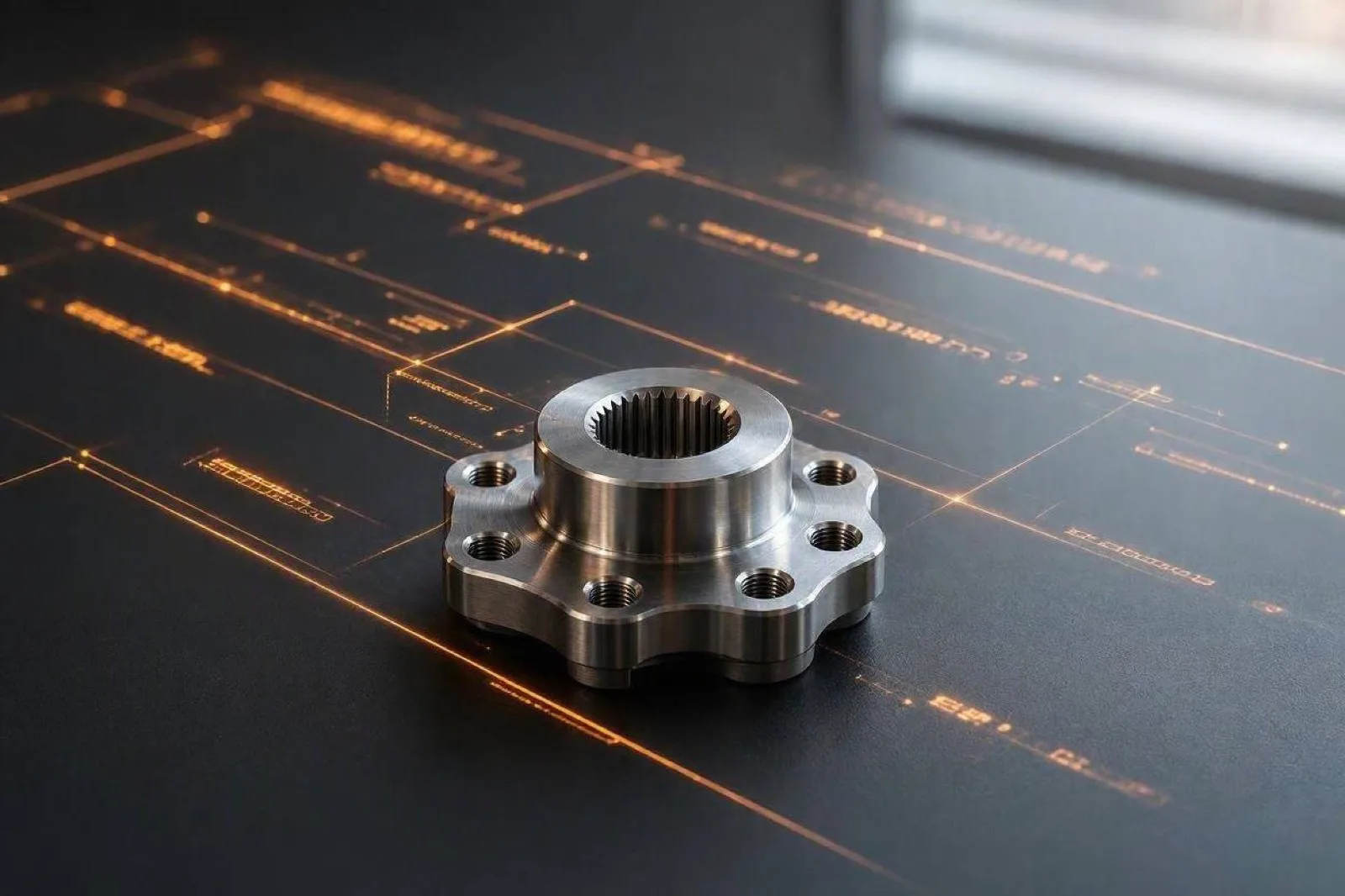
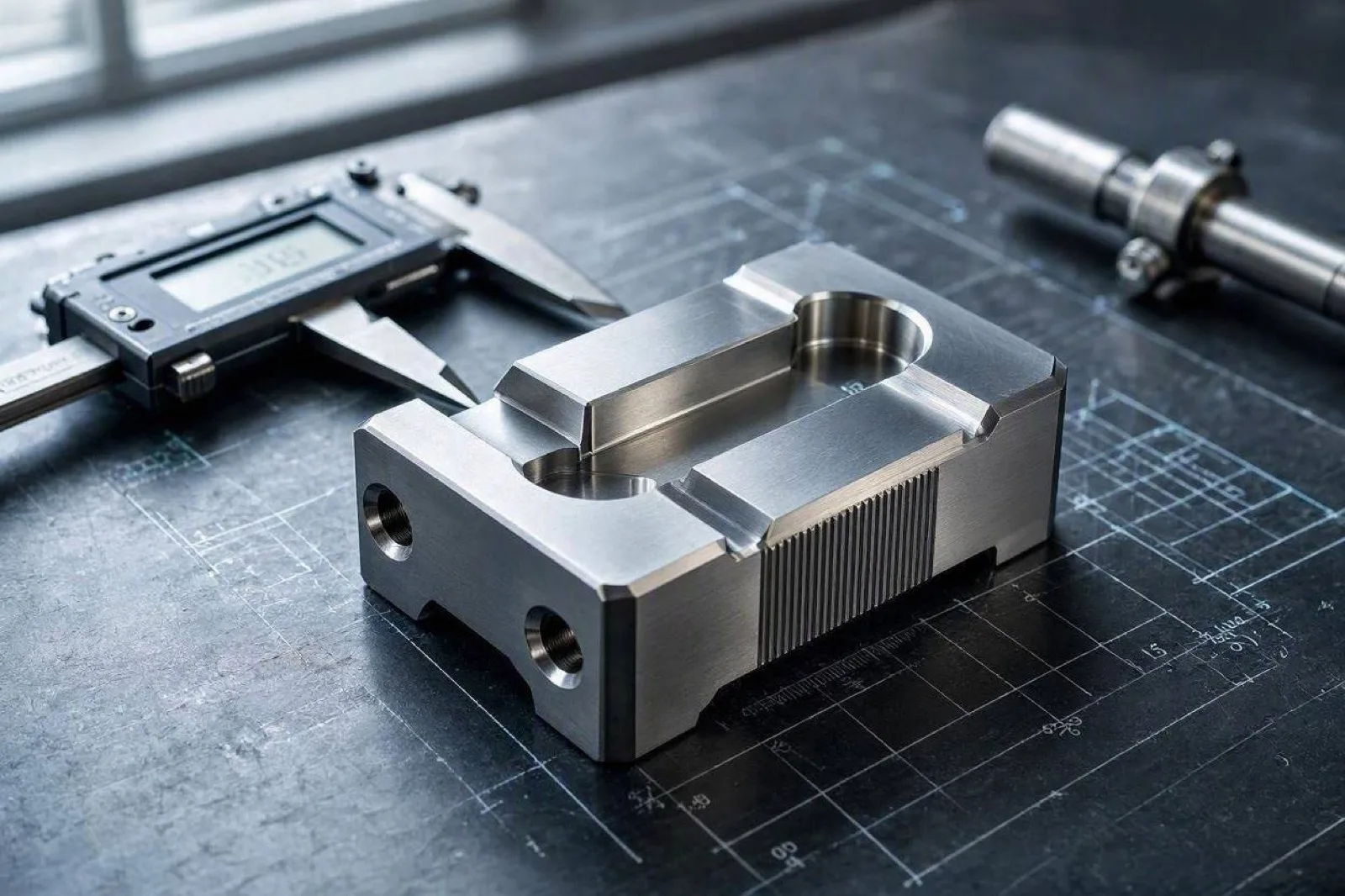
CNC is the choice for parts that must be rigid, precise, and have complex geometries—blocks, flanges, housings with internal pockets, bearing seats, and threads. It removes material from a blank, so it can produce shapes that simply cannot be bent from sheet metal and maintains tolerances that sheet metal cannot achieve. You pay by spindle time, so the price increases with the volume of material removed and the complexity of the part.
- Tolerances of ±0.05 mm or tighter, or geometric tolerances (coaxiality, flatness)
- Internal pockets, undercuts, recesses, threads — solid geometry
- Functional prototypes made from the final material (behave like a production part)
- Hard/exotic materials — stainless steel, titanium, Inconel, hardened steels
- Small production runs (1–10 units), where it isn't cost-effective to use tools designed for a different technology
02
When to Choose Sheet Metal Fabrication
Sheet metal is the best choice for parts with a large surface area and low weight, and wherever the shape is essentially a “bent profile”: covers, brackets, frames, chassis, and mounts. A laser cuts out the outline, and a press brake bends it—quickly and inexpensively, even for small production runs. The price is based on the material, the length of the cut, and the number of bends, so a sheet metal part is usually significantly cheaper and lighter than an equivalent part milled from a solid block.
- Covers, enclosures, brackets, holders, frames — "bent box" shape
- The requirement for low weight and a large surface area
- Medium and large production runs (tens to hundreds of units)
- A tolerance of ±0.1–0.3 mm is sufficient (common for sheet metal parts)
- The need for a quick and inexpensive bill of materials for prototypes made from the final material
// PRELIMINARY COMPARISON
METRICCNCSHEET METAL
Typical tolerance±0,02–0,05 mm±0,1–0,3 mm
GeometrieVolumetric, pockets, threadsbent sheet metal profile
Weighthigher (from solid stock)lower
Pricing Logicspindle timecut + bend
Sweet Spot Series1–10 pcs10–500 pcs
Shortest lead time3–5 days1–3 days
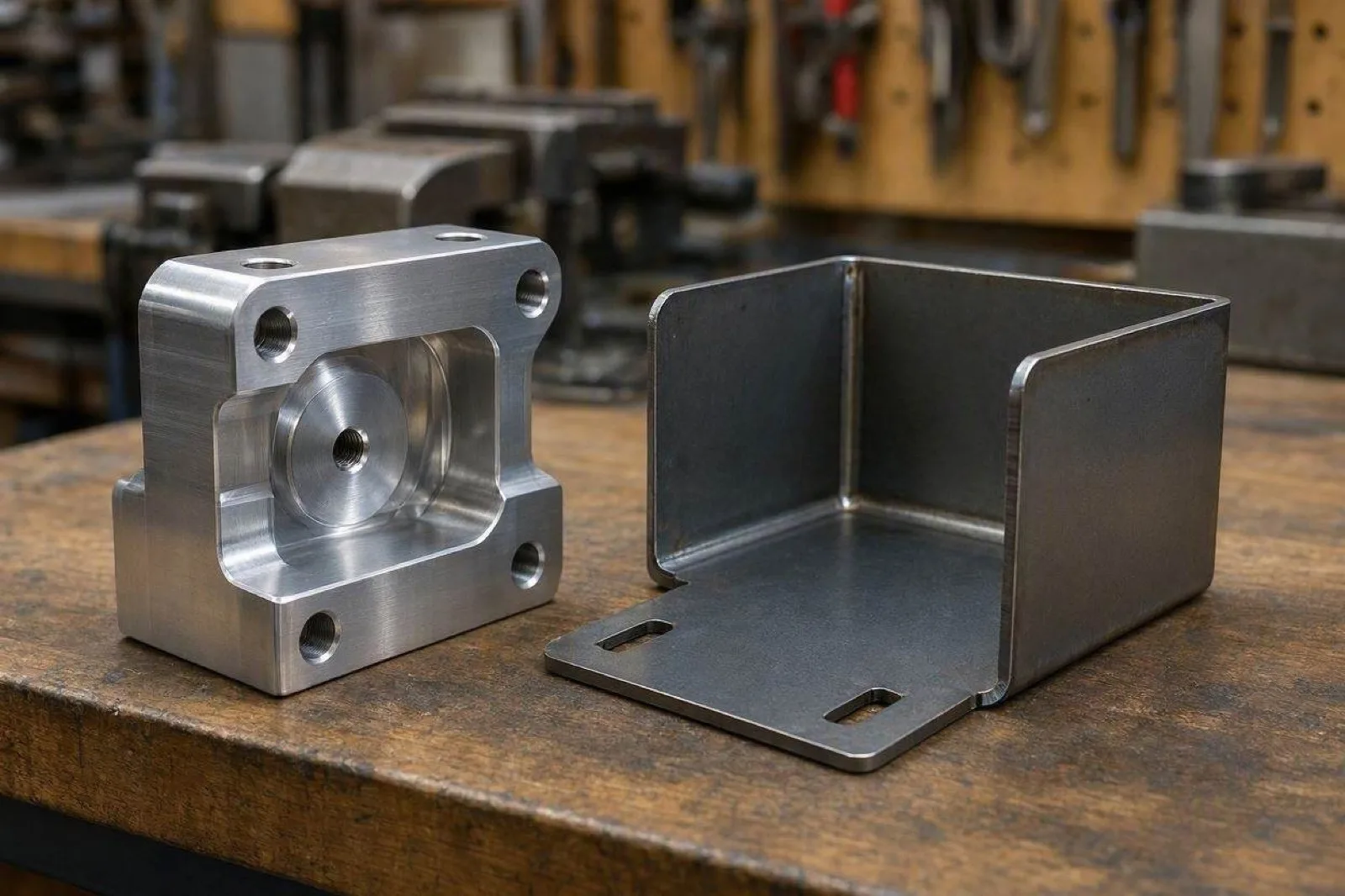
A quick rule of thumb: if a part looks like a “block with holes and pockets,” it’s CNC-machined. If it looks like a “bent box or bracket,” it’s sheet metal.
03
Jak se rozhodnout v praxi
Go through the four questions in this order: (1) Is the shape in the core volumetric (pockets, recesses), or is it a bent profile? (2) What tolerance is functionally necessary—do you really need hundredths, or are tenths sufficient? (3) What is the production run—a single piece or hundreds? (4) Is weight a deciding factor? The answers will usually point to a clear favorite. If you’re on the fence, try pricing both options—the difference in cost and the time it takes to make a decision will usually make the choice for you.
04
Hybrid Approaches
More complex products often combine both: a CNC-milled aluminum profile or assembly as a precision support structure, paired with bent sheet metal covers and panels. This provides precision and rigidity where needed, and low cost and weight where that is sufficient. The key is to break down the assembly based on the function of each individual part—not to manufacture everything using a single technology just for the sake of simplifying the order.
Whatever you choose, check it against actual pricing. If you're unsure, ask the shop to quote both options. A shop that quotes in Chainly has both priced from its own rates in a few minutes, so you don't wait on a round of emails.
#CNC#sheetmetal#technology#DFM