Manufacturing Know-How
Manufacturing Know-How·8 MIN READ·28 May 2026
3D Printing vs. CNC for Prototypes: When to Use Which?
CH
Chainly
The choice of prototyping technology will affect the speed of iterations, development costs, and how accurate a representation of the future product you’ll get. There is no one-size-fits-all answer—the right choice depends on the project phase and what you’re actually testing with the prototype. We’ll walk through FDM, SLA, and milling and provide a decision-making framework.
The most common mistake isn’t choosing the “wrong” technology, but choosing based on habit rather than purpose. You need one prototype to validate the shape and ergonomics, another for a customer presentation, and yet another for mechanical stress testing. Start by asking, “What do I want to find out from this piece?”—only then should you choose the technology.
01
FDM: A Fast and Inexpensive Shape Verifier
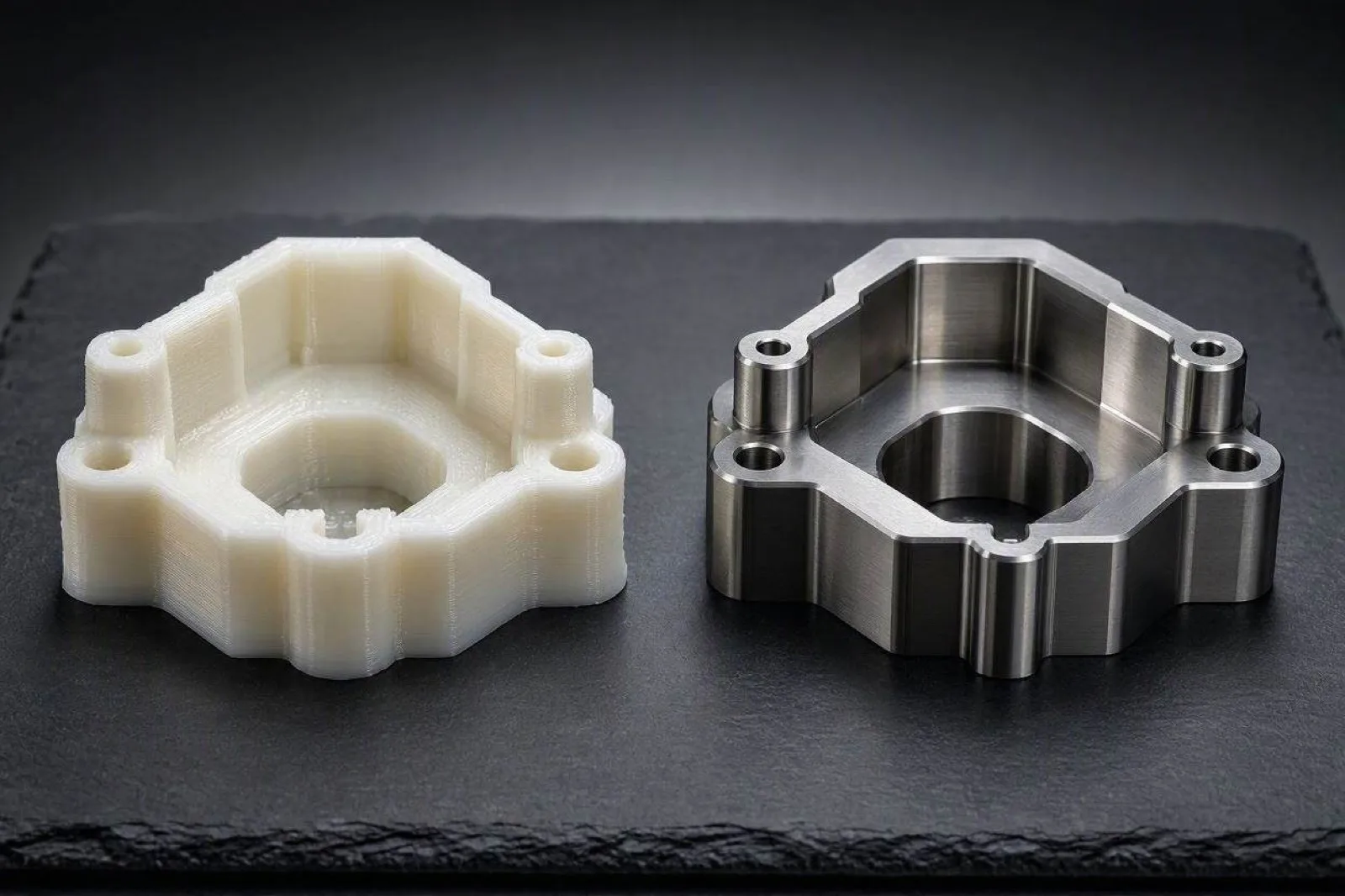
Fused Deposition Modeling (fused filament) is ideal for initial conceptual prototypes, where you verify proportions, ergonomics, and assembly relationships—does the part fit into the assembly, can it be gripped, and does it maintain the correct spacing? The price per piece is the lowest of the three methods, and you typically receive the part within 24–48 hours. The trade-off is a visibly layered surface and anisotropic strength: the part is weaker in the direction perpendicular to the layers, so it is not suitable for real-world mechanical testing.
- The cheapest and fastest shape iteration
- PLA, PETG, ABS, and ASA materials—from inexpensive to more durable
- Weaker between layers (anisotropy), rougher surface
- Great for checking, "Does it fit and hold its shape?"
02
SLA/DLP: Prototypes with fine detail and a smooth surface
Stereolithography (resin curing) produces a significantly smoother surface and finer detail than FDM—making it suitable for presentation and visual prototypes, parts with small features, text, or visible surfaces. Accuracy and detail are high, but standard resin tends to be more brittle and UV-unstable over time (it yellows and becomes brittle), so it is not suitable for long-term functional or load-bearing parts. Engineering resins are available, but even so, SLA is chosen for its appearance and detail, not for its mechanical properties.
03
MJF/SLS: Functional Plastic Parts and Small Production Runs
Powder-based technologies (Multi Jet Fusion, selective laser sintering) sinter nylon powder without support structures, allowing them to handle even complex shapes and internal geometries. The parts are strong, more isotropic than FDM, and durable—suitable for both functional prototypes and small production runs. The surface has a fine-grained (matte) finish. The price depends on the part’s volume and how many parts fit into a batch (chamber), so more parts at once = a lower price per part.
04
CNC Milling: When You're Testing Real Mechanics
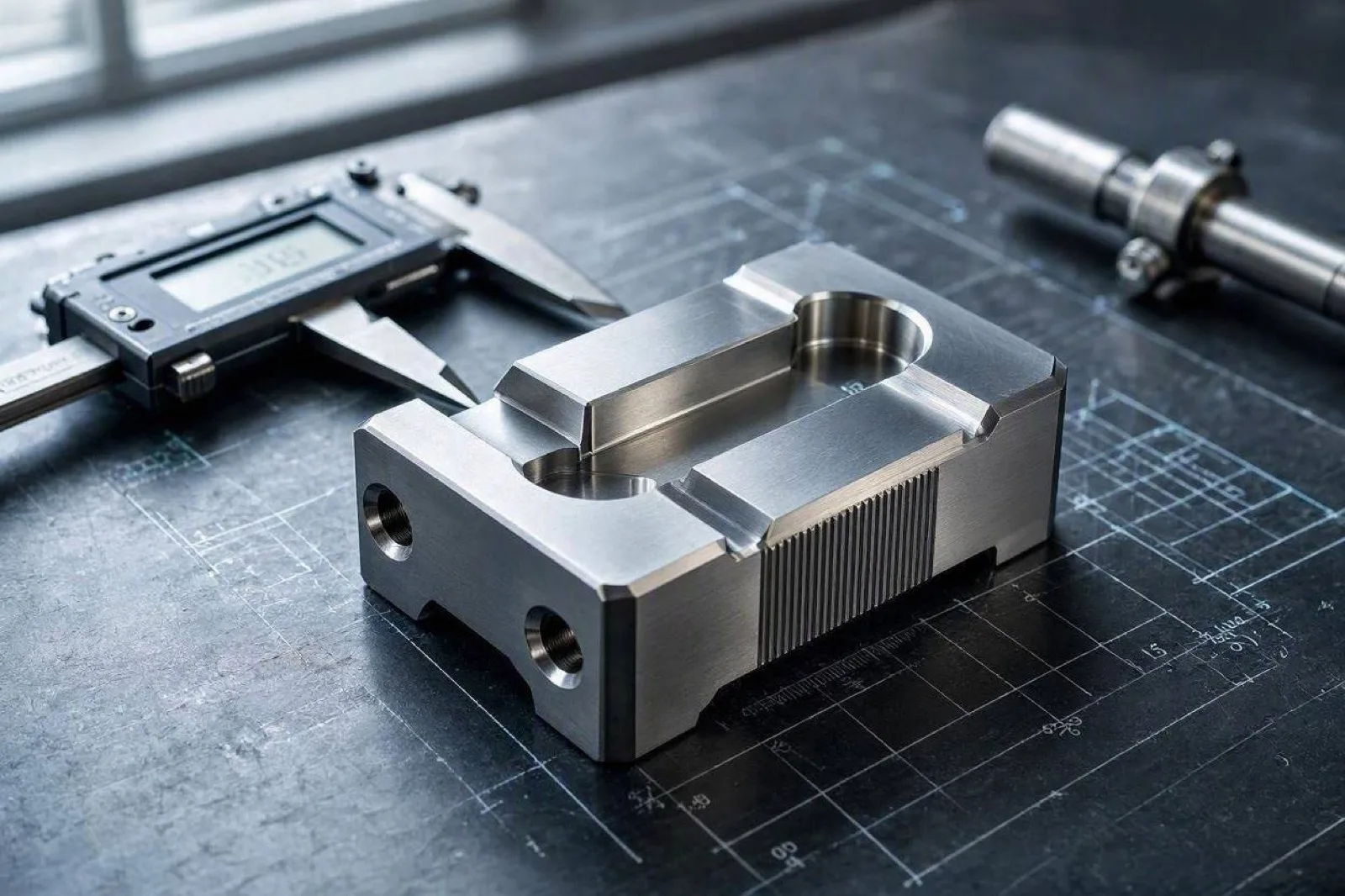
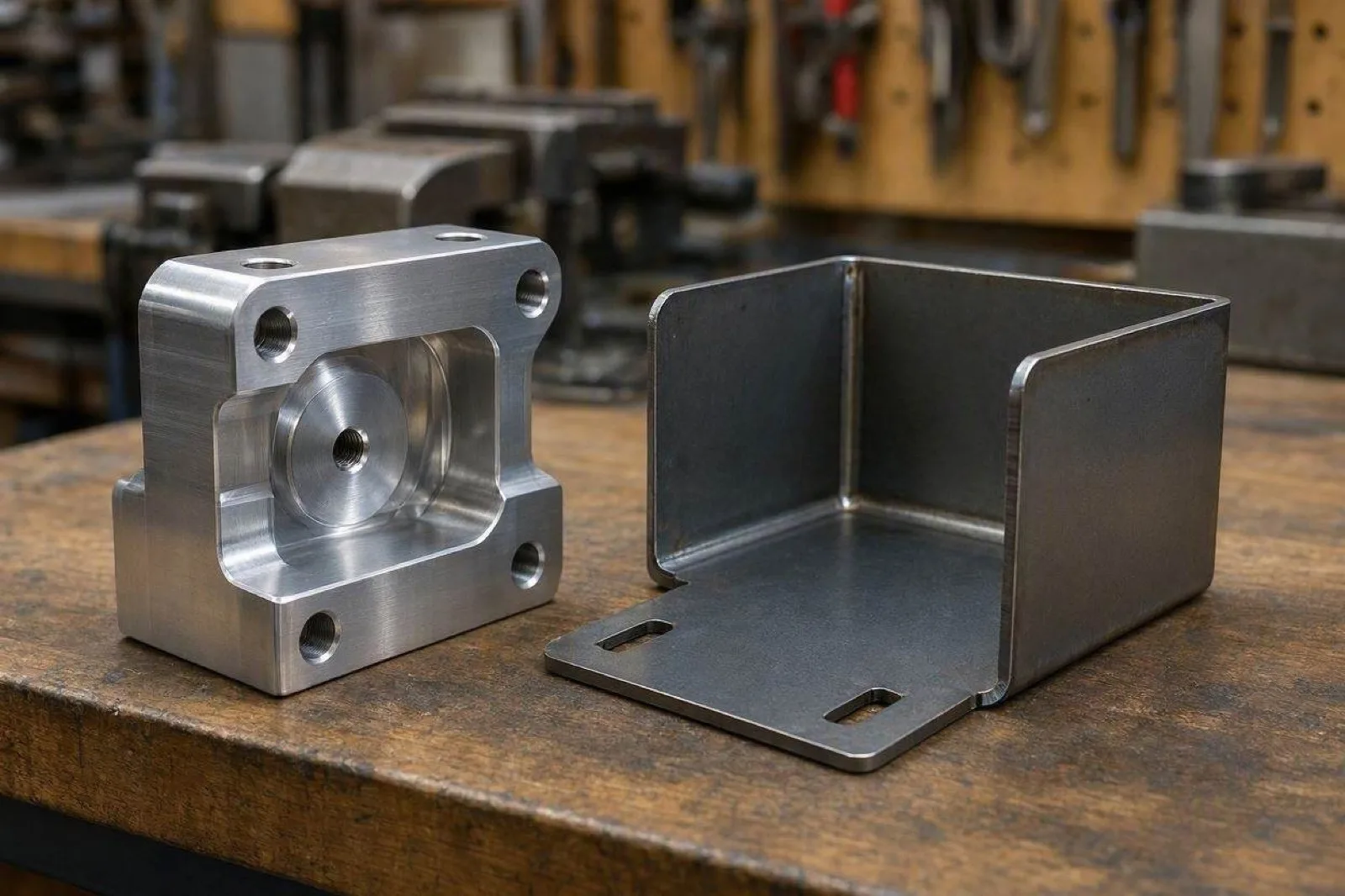
If you need to verify actual mechanical properties—strength, stiffness, wear resistance, fit accuracy, and thermal behavior—machine the part from the final material (aluminum, steel, engineering plastics such as POM or PA). The prototype will then behave like a production part, and the test results are transferable. The cost is higher and the lead time longer than with 3D printing, but for parts that need to bear a load or fit precisely, this is the only way to achieve a reliable result.
// QUICK COMPARISON
METRIC3D PRINTINGCNC
Production time (1 unit)1–3 days3–7 days
Min. price (1 pc)from ~€8from ~€33
Accuracy±0,2–0,5 mm±0,02–0,05 mm
Final materialno (plastic/resin)ano (kov, tech. plasty)
Mechanical Testto a limited extent (MJF: yes)fully
Don't ask, "Printing or CNC?", but rather, "What do I want to test on this part?" Shape and assembly → printing. Strength and fit → CNC. Appearance → SLA.
05
A Practical Scenario for Iterations
A typical development cycle combines technologies based on the phase: initial shape iterations using FDM (inexpensive and fast), a visual/presentation prototype using SLA, functional verification and a small pilot run using MJF or CNC depending on the material, and final validation using CNC with the target material before mass production begins. The most expensive approach is to stick to a single technology at all costs—it’s smarter to switch between them depending on what you need to determine at the moment.
#3Dtisk#CNC#prototyp#FDM#SLA#MJF